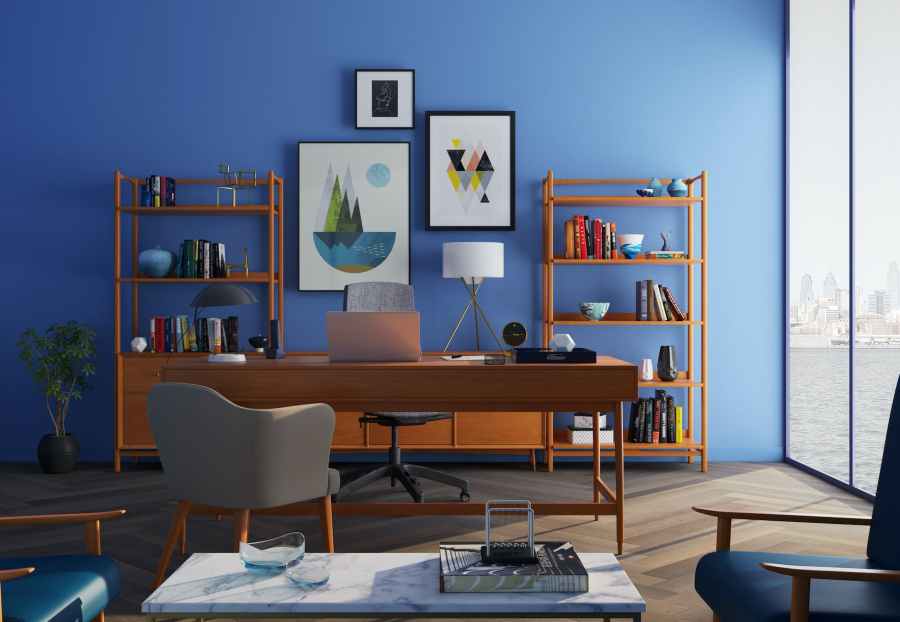
In the contemporary corporate landscape, the design and functionality of workspaces have undergone a significant transformation, emphasizing not just aesthetics but also the well-being and productivity of employees. Breakout office furniture has emerged as a cornerstone in this evolution, offering a blend of comfort, style, and versatility that is reshaping how professionals interact with their working environment.
Understanding Breakout Office Furniture
Breakout office furniture refers to the array of furnishings designed for use in informal settings within a professional environment. These pieces are intended to provide a respite from the traditional desk-and-chair setup, facilitating relaxed discussions, creative brainstorming sessions, and moments of solitude for focused work. The concept is rooted in the understanding that physical spaces can significantly influence cognitive function, creativity, and overall job satisfaction.
Benefits of Integrating Breakout Furniture into Workspaces
The integration of breakout furniture into office designs brings myriad benefits, including:
- Enhanced Collaboration: By offering a comfortable and inviting space, breakout areas encourage spontaneous meetings and discussions, fostering a culture of teamwork and open communication.
- Increased Productivity: Alternating between different types of workspaces can reduce fatigue and maintain high levels of productivity throughout the day.
- Well-being and Satisfaction: Providing employees with options for where and how they work contributes to their overall job satisfaction and well-being, which can, in turn, reduce turnover rates.
Key Features of Effective Breakout Furniture
When selecting breakout furniture, several key features should be considered to ensure that it meets the needs of the workforce:
- Comfort: Ergonomics play a crucial role in furniture selection to prevent discomfort and potential health issues.
- Flexibility: Modular pieces that can be reconfigured for various purposes support a dynamic work environment.
- Durability: High-quality materials that withstand frequent use are essential for longevity and sustainability.
- Design: Aesthetically pleasing furniture that reflects the company’s brand and culture can enhance the workspace environment.
Creating Dynamic Workspaces with Breakout Furniture
To effectively incorporate breakout furniture into an office layout, consider the following strategies:
- Zoning: Define clear areas for collaboration, relaxation, and individual work to cater to different needs and preferences.
- Variety: Include a mix of seating options, from sofas and armchairs to stools and pouffes, to accommodate different activities and comfort levels.
- Technology Integration: Ensure that breakout areas are equipped with the necessary technology, such as power outlets and Wi-Fi access, to facilitate productivity.
Conclusion
The adoption of breakout office furniture is more than a trend; it’s a reflection of a broader shift towards human-centered design in the workplace (more information). By creating spaces that prioritize comfort, flexibility, and well-being, businesses can foster a more engaged, satisfied, and productive workforce. As work environments continue to evolve, the importance of adaptable and innovative furniture solutions will only grow, underscoring the need for thoughtful design in every aspect of office planning.

 ComforTABLE